Range planning
Kids' furniture trends for 2027: building a range from crib to first apartment
Kids' furniture trends point the same way in every market report: multifunctional pieces, furniture that grows with the child, and low-emission materials. This guide adds the demographics behind them and turns both into a range plan.
How big is the market? An honest answer
If you have looked for a market size figure for kids' furniture, you will have found several, and they do not agree.
| Research firm | Market size, 2025 | Forecast annual growth |
|---|---|---|
| IMARC Group | USD 60.7 billion | 13.9% to 2034 |
| Market.us | USD 47.3 billion | 15.8% to 2035 |
| Research and Markets | USD 35.3 billion | 16.2% to 2032 |
The highest estimate is about 70% above the lowest. Each firm draws the category boundary differently, and none of these numbers should carry a business plan on its own. What is useful is where the reports point in the same direction. Between them, they highlight multifunctional and space-saving designs, convertible pieces, certified and low-emission materials, smaller urban homes and growing online sales.
The demographics behind the numbers
Official statistics give a firmer base than market forecasts. They show two things at once: fewer babies, and more small households.
Europe and the United States
- Births are falling. About 3.55 million babies were born in the EU in 2024, and the fertility rate of 1.34 is a historic low. In the US, 3,606,400 births were recorded in 2025 in provisional data, down 1% on the year before.
- Parents are older. Women in the EU are on average 29.9 years old when their first child is born.
- Households with children are a minority. In 2025, 23.4% of EU households included children. Single adults without children made up 76.1 million of the EU's 203.1 million households.
- One-person households are common in the US too. The Census Bureau counts 39.7 million of them, 29% of all households.
- Young people leave home late. The EU average was 26.2 years in 2024, ranging from 21.4 in Finland to 31.3 in Croatia.
For a retailer, this changes the shape of demand. There are fewer nursery purchases to win each year. The child's room stays in use for longer, well into the twenties in much of Europe. And when the young adult does move out, the first home is often a small one furnished for one person.
The Gulf
The picture in the Gulf is different. Saudi Arabia's 2022 census found that 63% of Saudi nationals were under 30. Dubai's population reached 4.58 million at the end of 2025, up 7.5% in a year. Here the nursery and children's room remain growth categories in their own right. We look at these markets in our guide to opening a kids' furniture store or shop-in-shop.
Three demand shifts to plan around
1. Furniture that grows with the child
Kind + Jugend, the Cologne trade fair for baby and children's products, describes "a clear shift towards flexible and expandable multifunctional children's room furniture". Its trend partner TrendBible forecast durable, multifunctional products that grow with the child as a theme for 2026. Parents want to convert a piece, not replace it.
2. Compact and modular
The same idea runs through adult furniture. Reporting from imm cologne 2026 highlights compact storage units that can grow modularly as life changes. Smaller homes need furniture that does two jobs and fits awkward spaces.
3. Low-emission and certified materials
Kind + Jugend notes that certified natural wood is highly sought after. Regulation is moving in the same direction. Since August 2026 the EU has limited formaldehyde emissions from all furniture. Material evidence is becoming something customers and regulators both ask for.
And a gap in the middle: youth and teen rooms
US suppliers told Furniture Today in 2024 and 2025 that mid-priced youth furniture had thinned out after long-standing makers left the category, and that teens have become more fashion conscious. Several suppliers have since launched youth and teen collections. A teen room that looks like a scaled-down adult room, at an accessible price, is where they see the opening.
Mapping a range by life stage
The practical response is to plan the range as a path, not as separate departments.
| Stage | What the room has to do | Core pieces | What decides the sale |
|---|---|---|---|
| Nursery | Sleep, changing, storage for small clothes | Cot that converts, changing chest, wardrobe | Safety evidence, materials, conversion options |
| Child | Sleep, play, first homework | Bed with storage, desk, bookcase, bunk or high bed | Durability, storage volume, floor space left for play |
| Teen | Study, friends, privacy | Larger bed, full-size desk, wardrobe, open shelving | A grown-up look, cable and study details, price |
| First home | Everything, in one or two rooms | Compact wardrobe, storage bed, desk or console, shelving | Dimensions, easy assembly and moving, price |
Three planning rules make this manageable.
- Share modules across stages. A wardrobe carcass or a shelf unit that appears in two stages halves the stock you need behind it.
- Sell the conversion. Show what the cot becomes and what the changing chest becomes. Stock the conversion kits.
- Keep collections running. A family that bought the wardrobe three years ago should still find the matching desk.
Colours and finishes that travel across markets
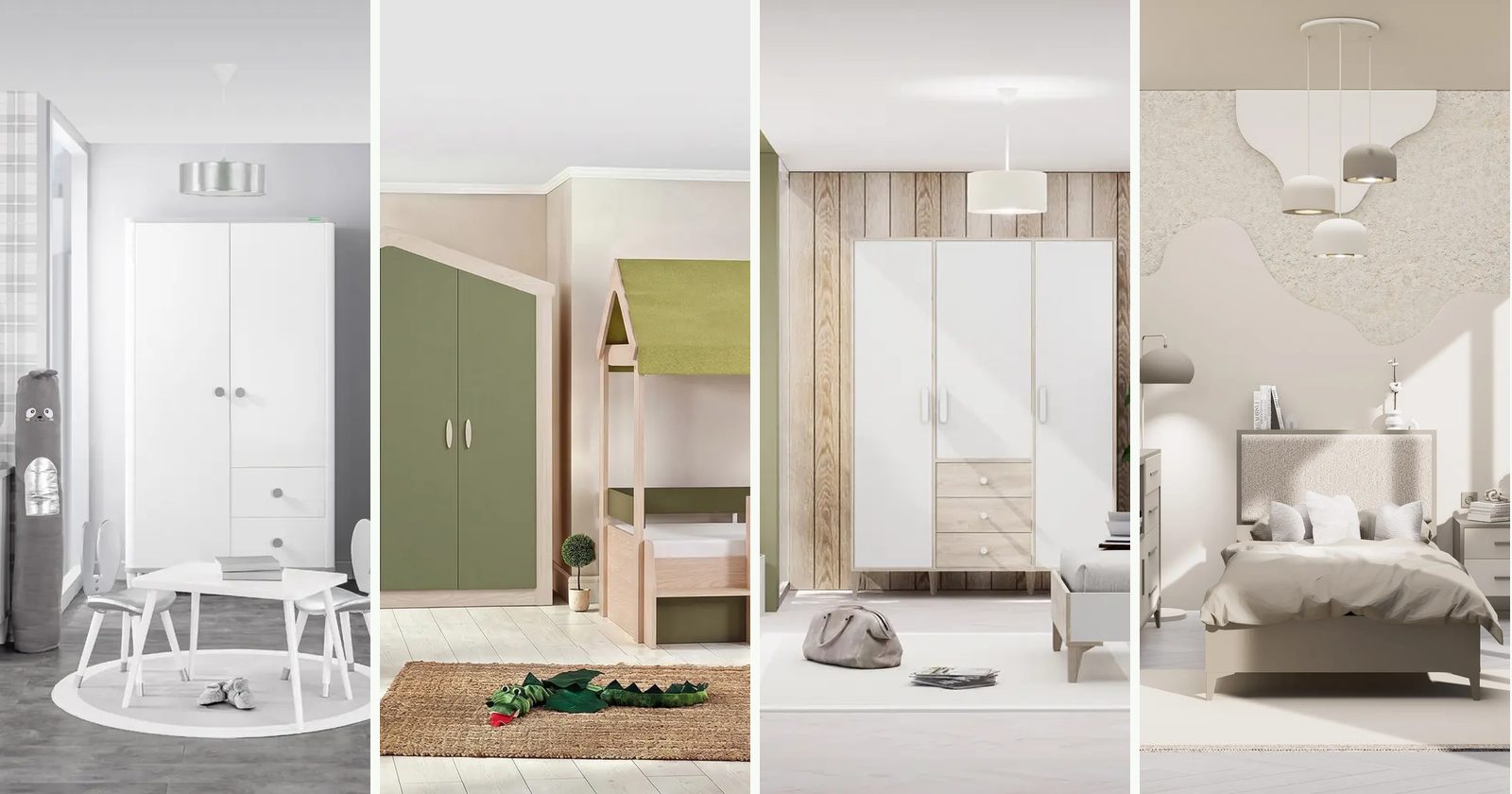
Trade fair reports for 2026 describe a warm palette. imm cologne points to natural tones, sand, cream and muted greens. A supplier's report from the Salone del Mobile describes earth tones becoming richer and more expressive.
For a range that has to sell in several countries and across fifteen years of a child's life, that suggests a simple structure:
- a neutral body in white or a light wood tone;
- one or two calm accent colours on fronts;
- colour that can be changed through handles, fronts and textiles, not through the whole piece.
Strong themed designs sell quickly and date quickly. Neutral bodies also make it easier to carry one stock for both a nursery and a teen collection.
What to stock first
If you are adding a kids-to-young-adult range, start narrow.
- Two collections, one or two finishes each. Enough to offer a choice, few enough to keep stock moving.
- One complete room on display per collection. Customers buy the room they can see.
- Add-on pieces within reach. Shelves, desks and bedside units raise the value of each sale and bring customers back.
- A first order as a mixed container. Test more items with less stock before you commit to depth. Our guide to flat-pack container loading shows how to plan it.
- Measure by stage. Track sell-through for nursery, child and teen separately, and note how many customers return for the next stage.
Before you choose a supplier for a range like this, ask how long each collection will stay in production and how spare parts are handled. Continuity is what makes a growing range work. We cover that in spare parts and warranty.
Frequently asked questions
How big is the kids' furniture market?
Published estimates vary widely. For 2025, IMARC Group puts the global market at USD 60.7 billion, Market.us at USD 47.3 billion and Research and Markets at USD 35.3 billion. The firms define the market differently, so the figures are best used as an indication of direction. All three forecast double-digit annual growth.
What is grow-with-me furniture?
Grow-with-me furniture is designed to be adapted as a child gets older, so that it is converted or extended and not replaced. Typical examples are a cot that becomes a toddler bed, a changing unit that becomes a chest of drawers once the top is removed, and a desk with adjustable height.
Which colours are trending in children's and youth furniture?
Reports from imm cologne 2026 describe a warm palette of natural tones such as sand, cream and muted greens across home furniture. For children's rooms, this supports neutral furniture bodies in white or wood tones, with colour added through fronts, handles and textiles that are easy to change.
Why should a kids' furniture retailer stock teen and young adult furniture?
Because the customer relationship lasts longer than the nursery. Fewer babies are born each year in the EU and the US, while young people stay at home into their twenties and single-person households are common. A range that continues into the teen room and the first home gives each household more reasons to return.
See the range, stage by stage
Our collections run from the nursery through children's and youth rooms to pieces for a first home. Ask for the catalogue and we will point out which items share modules and finishes.
Request the catalogueSources
- IMARC Group: Kids furniture market statistics
- Market.us: Kids furniture market
- Research and Markets: Kids' furniture, global strategic business report
- Eurostat: Fertility statistics
- US CDC, National Center for Health Statistics: births in 2025
- Eurostat: Household composition statistics
- US Census Bureau: Families and living arrangements, 2025
- Eurostat: age of young people leaving the parental home
- Arab News: Saudi Arabia census results
- The National: Dubai population at the end of 2025
- Kind + Jugend: furniture and facility theme world
- Kind + Jugend and TrendBible: trends for 2026
- imm cologne 2026: trends that matter now
- Blum: Salone del Mobile trend report 2026
- Furniture Today: Youth bedroom sees a resurgence in High Point
- Furniture Today: teen and second bedroom furniture
Caploonba designs and manufactures nursery, children's and youth room furniture in Torbalı, İzmir. Caploonba is a brand of Orpak Mobilya A.Ş., a furniture manufacturer since 1983.
This article is general information for trade buyers, last reviewed on 9 October 2026. It is not legal, customs or tax advice. Rules and rates change; confirm the current position with the relevant authority, an accredited test laboratory or a licensed customs broker before you rely on it.
Keep reading
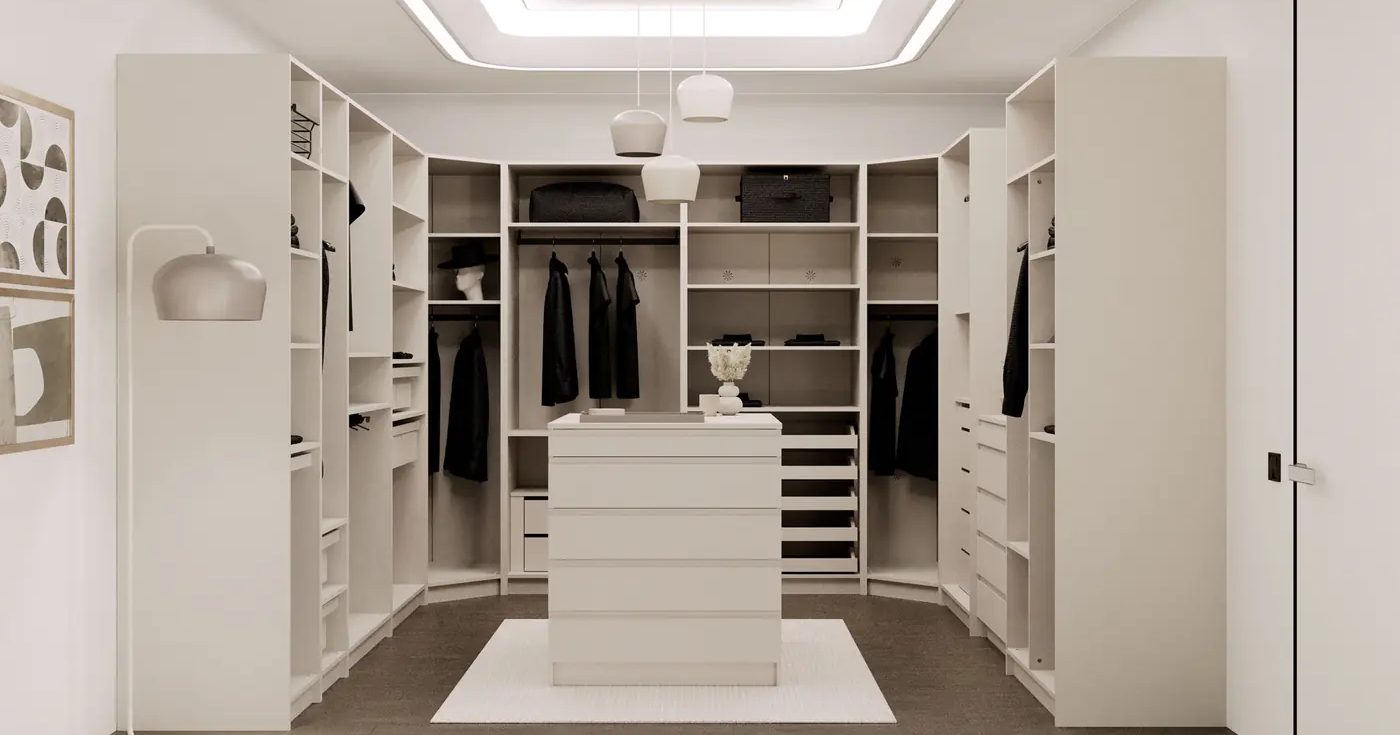
Opening a kids' furniture store or shop-in-shop in the Gulf: space, display and stock
Planning a kids' furniture store, shop-in-shop or corner in the UAE or Saudi Arabia: market data, format choice, display and stock, and the numbers to model.
Furniture spare parts and warranty: how after-sales protects retail margin
Why furniture spare parts and clear warranty terms protect a retailer's margin: the law in the EU, US and UAE, the evidence, and what to agree with suppliers.
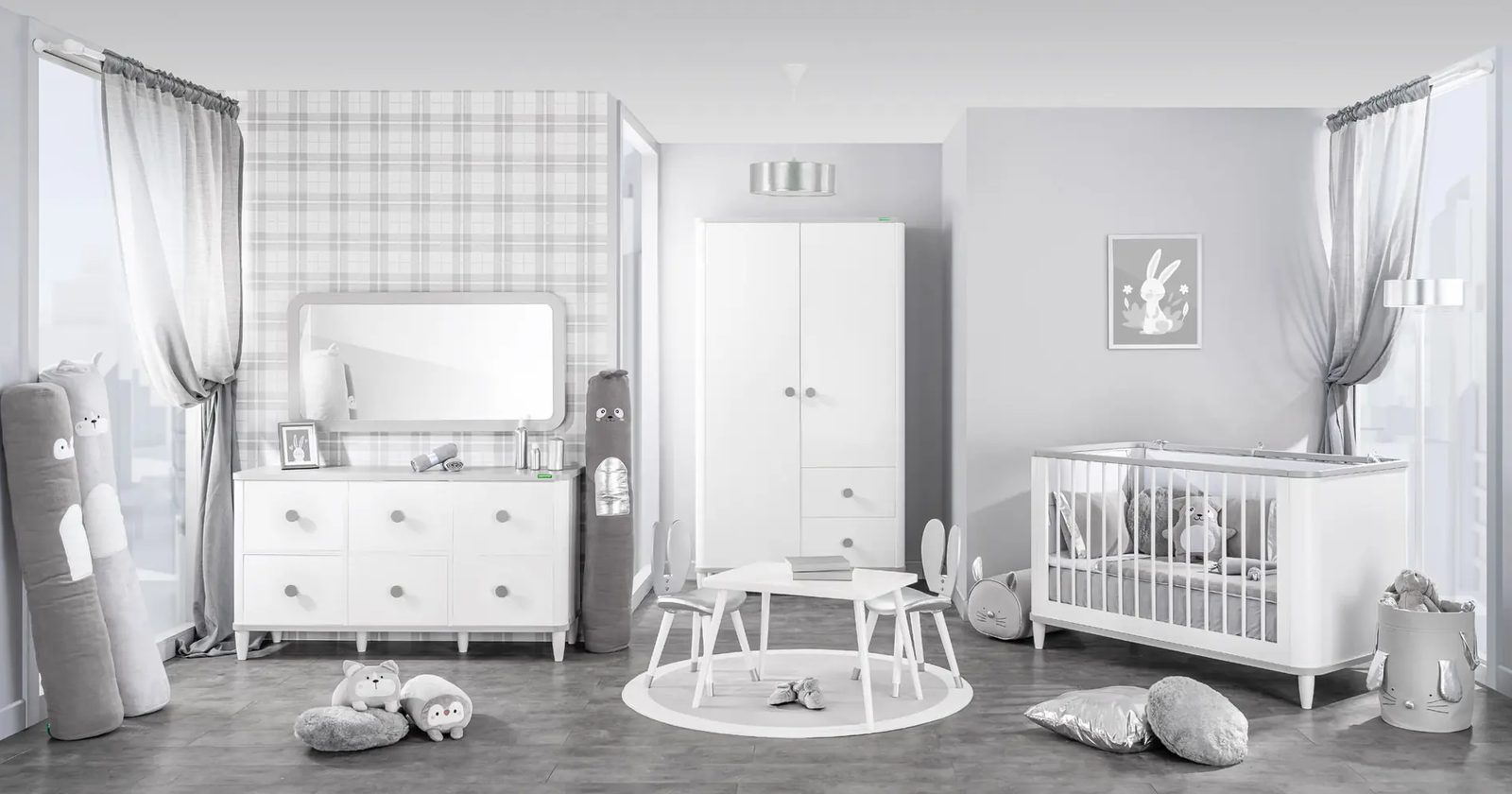
Kids' furniture safety standards compared: EU, UK, US and Gulf markets
Which standards apply to cots, bunk beds, dressers and changing units in each market? A buyer's comparison of the EU, UK, US and Gulf rules, with documents.